Guide to Small Chihuahua Breeds and Mixes
Published
Discover the world of small Chihuahua breeds and mixes. Learn about their temperament, health, and care tips to find the perfect tiny companion for your ho
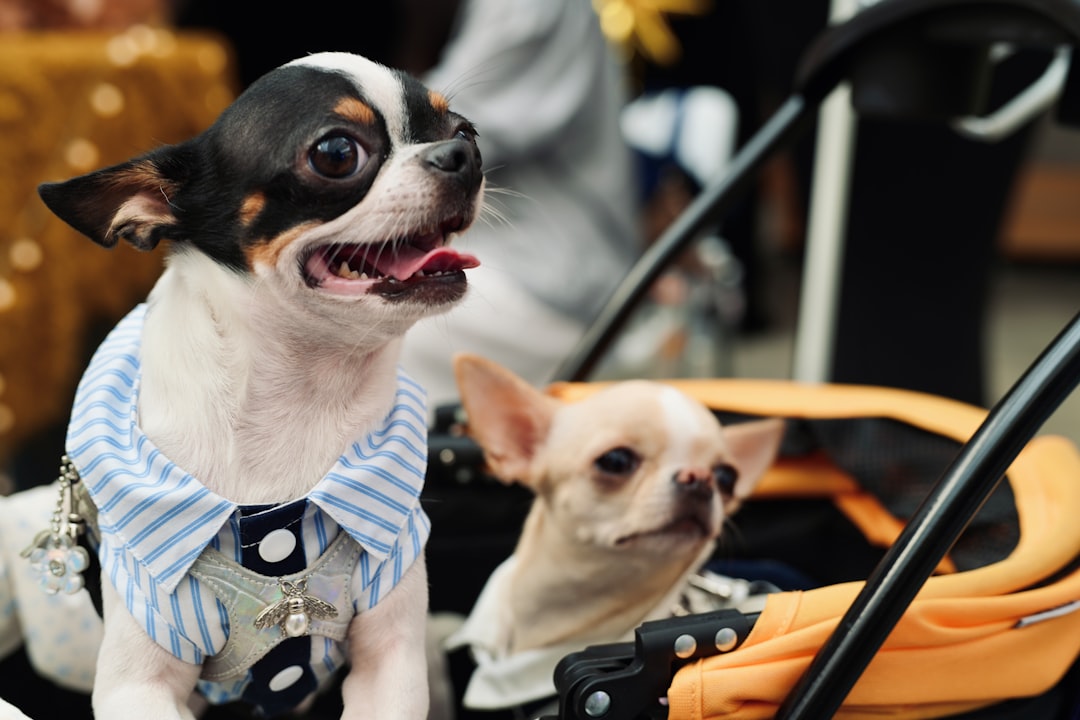
Welcome to the World of Tiny Companions
If you are searching for a pint-sized furry friend with a massive personality, you have likely started looking into Chihuahua breeds small enough to fit comfortably in your lap, your apartment, and your heart. Here at Chihuahua Mixes, we know that these tiny dogs bring an incredible amount of joy, loyalty, and sass to any household. Whether you are interested in a purebred Chihuahua or one of the many adorable Chihuahua mixed breeds, understanding their specific needs, temperaments, and physical traits is essential for providing them with the best possible life.
Chihuahuas are famous for being the smallest recognized dog breed in the world, but their lineage and the various mixes they create offer a wide variety of looks and personalities. In this comprehensive guide, we will explore the different types of small Chihuahua breeds, highlight some of the most popular miniature mixes, and provide you with expert care tips to ensure your tiny companion thrives.
Understanding Purebred Small Chihuahua Breeds
When people talk about Chihuahua breeds small in stature, they are usually referring to the purebred Chihuahua, which comes in two distinct head shapes and two coat varieties. According to the American Kennel Club, a standard Chihuahua should weigh no more than six pounds. However, the variations within the breed make them unique.
The Apple Head Chihuahua
The Apple Head Chihuahua is the breed standard recognized by major kennel clubs. As the name suggests, they have a distinctly rounded, apple-shaped skull, a prominent 90-degree angle where the muzzle meets the forehead, and large, expressive eyes. These dogs are incredibly affectionate but can be prone to dental and respiratory issues due to their shorter snouts.
The Deer Head Chihuahua
Deer Head Chihuahuas have a longer snout, a narrower skull, and a less pronounced slope between the forehead and the muzzle, giving them a slightly fox-like or deer-like appearance. While they are not the official show standard, many pet owners prefer them because their longer snouts often lead to fewer breathing problems and dental crowding issues compared to their Apple Head counterparts.
Popular Small Chihuahua Mixes
If you love the Chihuahua but want to blend their spunky personality with the traits of another small breed, a Chihuahua mix might be the perfect choice. These designer dogs combine the best of both worlds, resulting in Chihuahua breeds small in size but rich in character.
The Chorkie (Chihuahua and Yorkshire Terrier)
The Chorkie is a delightful blend of the Chihuahua and the Yorkshire Terrier. These tiny dogs usually weigh between five and nine pounds. They are known for their playful, energetic, and sometimes stubborn nature. Chorkies often inherit the longer, silkier hair of the Yorkie, meaning they require regular grooming to prevent tangles and mats.
The Pomchi (Chihuahua and Pomeranian)
Combining the fluffy Pomeranian with the sleek Chihuahua results in the Pomchi, a fluffy, affectionate, and alert little dog. Pomchis are incredibly loyal to their owners and make excellent watchdogs, as they are never shy about using their voices to alert you to strangers. They thrive on human companionship and are best suited for homes where they will not be left alone for long periods.
The Chiweenie (Chihuahua and Dachshund)
Affectionately known as the Mexican Hotdog, the Chiweenie blends the long body of the Dachshund with the petite frame of the Chihuahua. These dogs are incredibly loving and tend to bond very closely with one person. Because of their elongated spines, it is crucial to support their backs when picking them up and to discourage them from jumping off high furniture.
7 Essential Care Tips for Small Chihuahua Breeds
Caring for Chihuahua breeds small in size requires special attention to their unique physical and emotional needs. Because they are so fragile, standard dog care practices often need to be adjusted. Here are seven detailed, practical tips for keeping your tiny dog healthy and happy.
- Use a harness instead of a collar. Small Chihuahua breeds are highly susceptible to tracheal collapse, a condition where the cartilage rings in the windpipe weaken. Always attach their leash to a well-fitting body harness to distribute pressure across their chest rather than their fragile neck.
- Prioritize daily dental care. Because their mouths are so small, Chihuahuas and their mixes often suffer from severe dental crowding, which leads to plaque buildup and periodontal disease. Brush their teeth daily with dog-safe toothpaste and schedule regular professional cleanings with your veterinarian.
- Invest in winter wear. Chihuahuas have very little body fat and thin coats, making them incredibly sensitive to the cold. If you live in a cooler climate, provide them with warm sweaters for indoor wear and insulated, waterproof coats for outdoor walks during the winter months.
- Feed frequent, small meals. Tiny dogs have tiny stomachs and fast metabolisms, making them prone to hypoglycemia (low blood sugar). Instead of one or two large meals, feed your small Chihuahua breed three to four small, high-quality meals throughout the day to keep their energy levels stable.
- Practice safe handling. The bones of small Chihuahua breeds are delicate and can break easily if the dog is dropped or stepped on. Always supervise interactions with young children and larger pets, and teach everyone in the household to shuffle their feet slightly when walking around the house to avoid accidental injuries.
- Focus on early socialization. It is easy to overprotect a tiny dog, but failing to socialize them can lead to small dog syndrome, where the dog becomes fearful, aggressive, and excessively vocal. Expose them to new people, sights, sounds, and other dogs in a safe, controlled manner from a young age.
- Monitor for joint issues. Small breeds are genetically predisposed to luxating patellas, a condition where the kneecap slips out of place. Keep your dog at a healthy weight to reduce stress on their joints, and consult the American Veterinary Medical Association guidelines for recognizing signs of joint pain.
Frequently Asked Questions
How big do small Chihuahua breeds get?
Purebred Chihuahuas typically weigh between two and six pounds and stand about five to eight inches tall at the shoulder. Chihuahua mixes can vary slightly depending on the other parent breed, but most small mixes will stay under ten to twelve pounds when fully grown.
Are small Chihuahua mixes good with children?
Small Chihuahua breeds and mixes are generally better suited for homes with older, respectful children. Because these dogs are so tiny and fragile, toddlers and young children who do not yet understand how to gently handle animals can accidentally injure them. Supervision is always required when small dogs and children interact.
What is a teacup Chihuahua?
The term teacup is a marketing buzzword used by breeders to describe Chihuahuas that are bred to be exceptionally small, often weighing under three pounds. It is not an official breed or variation. Prospective owners should be cautious, as breeding for such extreme smallness often results in severe, lifelong health issues, including heart defects, fragile bones, and chronic hypoglycemia.
Conclusion
Welcoming a small Chihuahua breed or mix into your family is a rewarding experience that guarantees years of love, laughter, and loyal companionship. While their tiny size makes them incredibly endearing and convenient for smaller living spaces, it also means they require specialized care, gentle handling, and proactive health monitoring. By understanding the unique traits of the Apple Head, Deer Head, and various popular mixes like the Chorkie and Pomchi, you can provide the perfect environment for your pint-sized pet. Remember to prioritize their dental health, keep them warm, and use a harness to ensure your tiny best friend lives a long, vibrant, and happy life by your side.