The Reality of Chihuahua Mixes
Published
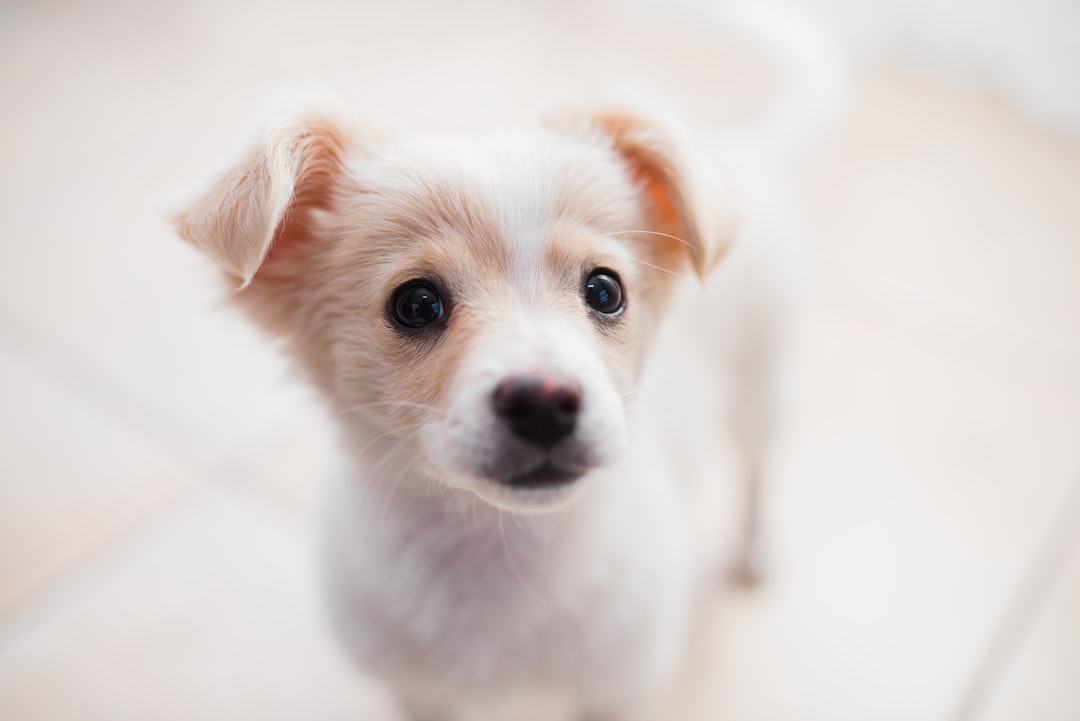
The Handbag Dog Fallacy
Most casual observers assume a Chihuahua mix exists solely to shiver inside a designer tote bag while barking at passing strangers. This tired stereotype paints every crossbreed with the same anxious, fragile brush, reducing a highly adaptable canine lineage to a pop culture punchline. People look at these tiny dogs and see only a fashion accessory from 2004. They miss the predatory drive, the sharp intellect, and the startling athleticism hiding beneath a four-pound frame.
That ankle-biting caricature ignores the robust genetic reality of the modern hybrid canine. When you blend the Chihuahua—a breed officially recognized by the American Kennel Club way back in 1904—with working terriers, scent hounds, or robust utility dogs, you do not get a helpless toy. You get a microscopic athlete. These dogs regularly outpace larger breeds on hiking trails, solve complex puzzle toys with frustrating speed, and guard their designated living rooms with the tactical intensity of a much larger guard dog. Understanding these hybrids requires stripping away the Beverly Hills mythology and looking at the actual teeth, muscle, and brain inside the dog.
Deconstructing the Popular Hybrids
Breeders have spent the last two decades combining the Chihuahua with nearly every other small companion dog on the market. Some pairings produce spectacular agility competitors, while others result in stubborn couch potatoes who refuse to walk in the rain. (If you are currently navigating the complex designer dog market, prepare for wild variations in both price and temperament.)
- The Chiweenie (Chihuahua x Dachshund): A long-backed sentry dog with an oversized ego. They inherit the burrowing instinct of the badger-hunting Dachshund and the vocal alarm system of the Chihuahua.
- The Chug (Chihuahua x Pug): A sturdier, brachycephalic blend that usually mellows out the Chihuahua's nervous energy with the Pug's legendary laziness.
- The Jack Chi (Chihuahua x Jack Russell Terrier): A high-voltage energy wire wrapped in fur. This mix requires a dedicated running partner and an escape-proof yard.
Pairing a high-alert alarm dog with a relentless ratter creates a surprisingly demanding household companion. You cannot simply leave a Jack Chi in an apartment for ten hours and expect your drywall to remain intact; they need a job to do. If you are what to expect from a chug puppy instead, the physical demands drop significantly, though the stubbornness remains entirely intact.
- The Pomchi (Pomeranian x Chihuahua): A densely coated alert dog that bonds fiercely to a single human. They require daily brushing and strict obedience boundaries early in life.
- The Chorkie (Chihuahua x Yorkshire Terrier): A scruffy, confident terrier blend that often believes it weighs eighty pounds.
The terrier influence in these smaller crosses usually amplifies the dog's prey drive. Owners often find themselves entirely unprepared for a five-pound dog attempting to fight a neighborhood raccoon over a discarded pizza crust. (Anyone actively exploring crossbred companion options must account for this terrifying overconfidence.)
Structural Mechanics and Genetic Dice
Mixing a dog that traditionally weighs under six pounds with larger breeds creates fascinating, sometimes problematic, anatomical variations. The skull shape alone can shift dramatically within a single litter. You might see apple-dome heads with moleras (soft spots) resting on broad, muscular terrier chests, or deer-head muzzles paired with the short, bowed legs of a basset hound. Predicting the adult structure of a crossbreed puppy remains a guessing game until the dog reaches its first birthday.
This physical unpredictability requires owners to stay vigilant regarding joint health and dental crowding. Toy breeds already struggle with retaining their teeth due to overcrowded jaws. When you mix them with another small breed, the resulting dental architecture often necessitates expensive extractions by age five. Examining the structural mechanics of a pitbull cross reveals just how wildly the genetic lottery can swing when breeding dogs of vastly different bone densities.
The Training Requirement
Small dog syndrome is not a genetic trait; it is a human failure. Because these dogs cannot physically pull a grown adult down the street on a leash, owners frequently skip basic obedience training. They allow the dog to jump on guests, guard the sofa aggressively, and bark relentlessly at the mail carrier. This learned behavioral toxicity ruins the dog's quality of life and isolates the owner from visitors.
Treating a ten-pound dog exactly like a German Shepherd fixes almost every behavioral issue associated with these mixes. They thrive on structured boundaries, consistent crate training, and positive reinforcement drills. Noting how digital obedience tutorials have shifted over the last five years, modern trainers now emphasize impulse control for toy breeds rather than just basic sit-and-stay commands. Whether you are dealing with a mild-mannered mix or handling a stubborn dachshund terrier blend, the foundation of respect must be established early.
Points Worth Pinning
- Dental care is non-negotiable for toy mixes, requiring daily brushing and annual veterinary scaling to prevent premature tooth loss.
- Socialization must occur before fourteen weeks of age to prevent fear-based reactivity toward larger dogs and unfamiliar humans.
- Harnesses should always replace neck collars to protect the delicate tracheas common in Chihuahua lineages.
- Mental stimulation through puzzle toys burns more nervous energy than a frantic twenty-minute walk around a loud neighborhood.
- Weight management directly impacts patellar luxation risks, meaning strict portion control is vital for long-term mobility.
The sun eventually sets on the frantic puppy years, leaving behind a gray-muzzled companion who knows the exact rhythm of your household. They spend their twilight seasons tracking the moving squares of sunlight across the living room floor, demanding nothing more than a warm lap and a quiet afternoon. The fierce, tiny guardian who once barked at every passing leaf finally rests, proving that a dog's loyalty has absolutely nothing to do with its size.