Guide to the Chihuahua Pomeranian Mix Puppy
Discover everything you need to know about raising a Chihuahua Pomeranian mix puppy, from temperament and health to essential daily care tips.
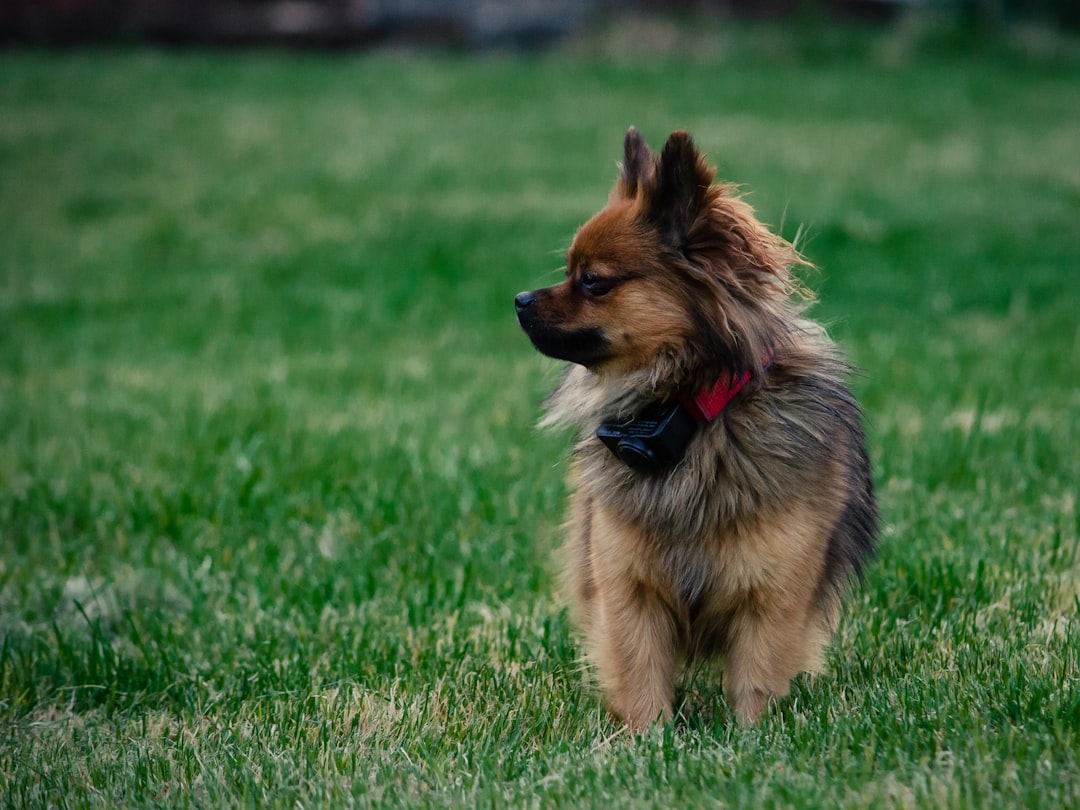
Welcome to the World of the Pomchi
Bringing home a Chihuahua Pomeranian mix puppy, affectionately known as a Pomchi, is an exciting journey. These tiny, spirited dogs combine the bold, loyal nature of the Chihuahua with the fluffy, playful energy of the Pomeranian. As one of the most beloved Chihuahua mixed breeds, the Pomchi is a fantastic companion for apartment dwellers, singles, and families with older children. In this comprehensive guide, we will explore everything you need to know to give your new furry friend the best possible start in life.
Understanding the Pomchi Temperament
A Chihuahua Pomeranian mix puppy is often a bundle of joy with a surprisingly large personality. Because both parent breeds are known for their alertness and devotion, your Pomchi will likely become very attached to you. They are intelligent, curious, and sometimes a little stubborn. Early socialization is key to ensuring they grow into well-adjusted adults rather than anxious or overly vocal dogs. If you are exploring our Chihuahua mix puppies guide, you will find that consistency and patience are the most important tools in your training arsenal.
7 Practical Tips for Raising a Chihuahua Pomeranian Mix Puppy
Caring for a toy breed mix requires specific knowledge. Here are seven detailed, practical tips to help your Pomchi thrive:
- Use a Harness Instead of a Collar: Both Chihuahuas and Pomeranians are prone to a condition called a collapsed trachea. Always use a well-fitting body harness for walks to distribute pressure across the chest rather than the fragile neck area.
- Implement a Strict Dental Routine: Small mouths mean crowded teeth, which leads to plaque buildup. Start brushing your puppy's teeth daily with dog-safe toothpaste as soon as you bring them home so they get used to the sensation.
- Feed Small, Frequent Meals: Toy breed puppies are highly susceptible to hypoglycemia (low blood sugar). Feed your Chihuahua Pomeranian mix puppy three to four small meals a day to keep their energy levels stable.
- Prioritize Early Socialization: Introduce your puppy to new sights, sounds, people, and other fully vaccinated dogs during their first 16 weeks. This prevents the "small dog syndrome" where tiny dogs become fearful or aggressive toward larger animals.
- Establish a Daily Grooming Habit: Depending on which parent they take after, your Pomchi may have a thick double coat. Brush them gently every day to prevent painful mats and tangles, especially behind the ears and under the legs.
- Create a Safe Zone: Because of their tiny size, Pomchi puppies can easily be stepped on or injured. Set up a secure playpen or a designated safe room where they can rest without the risk of household accidents.
- Use Positive Reinforcement: These dogs are sensitive and respond poorly to harsh scolding. Use high-value treats and enthusiastic praise to reward good behavior, keeping training sessions short (about 5-10 minutes) to hold their attention.
Health and Lifespan Expectations
One of the greatest benefits of mixed breed dogs is hybrid vigor, which can sometimes lead to fewer genetic health problems than purebreds. However, it is still crucial to be aware of the common Chihuahua health issues that can be passed down, such as luxating patellas (slipping kneecaps) and dental disease. Regular check-ups with a veterinarian are essential.
With proper diet, exercise, and preventative veterinary care, these little dogs can be your companion for a very long time. For a deeper dive into what to expect as your dog ages, check out our comprehensive Pomeranian Chihuahua mix lifespan resource. You can also read more about standard breed health recommendations from authoritative organizations like the American Kennel Club.
Finding and Naming Your New Best Friend
If you are currently in the research phase, you might be looking into finding a teacup Chihuahua Pomeranian mix for sale. It is vital to seek out reputable breeders who prioritize the health and temperament of their dogs over extremely small sizes, as "teacup" breeding can sometimes introduce severe health complications.
Once you have secured your new puppy, the fun part begins: choosing a name! Because these dogs have such vibrant personalities, they deserve a name that matches. Whether you want something cute, regal, or funny, you can find great inspiration in our list of the Chihuahua Pomeranian mix name ideas.
Conclusion
A Chihuahua Pomeranian mix puppy is a delightful addition to almost any home. By understanding their unique needs—from specialized dietary requirements to gentle handling and consistent training—you can ensure your Pomchi grows into a healthy, happy, and well-mannered adult dog. Enjoy every moment of puppyhood, as these tiny companions will quickly steal your heart.
Frequently Asked Questions
How big do Chihuahua Pomeranian mix puppies get?
A full-grown Pomchi typically weighs between 5 to 12 pounds and stands about 6 to 9 inches tall at the shoulder. Their final size largely depends on the size of their specific Chihuahua and Pomeranian parents.
Are Pomchi puppies good with children?
Pomchis can be good with older, respectful children who understand how to handle small dogs gently. However, due to their fragile size, they are generally not recommended for households with very young toddlers who might accidentally drop or step on them.
How much exercise does a Pomchi puppy need?
Despite their high energy levels, Pomchi puppies only need moderate exercise. A couple of short 15-minute walks per day, combined with some indoor playtime, is usually sufficient to keep them physically and mentally stimulated without overworking their growing joints.
Do Chihuahua Pomeranian mixes bark a lot?
Both parent breeds are known for being vocal and making excellent little watchdogs. While a Pomchi puppy will naturally want to alert you to strangers or strange noises, early training and socialization can help manage and reduce excessive barking.