The Complete Black Pug Chihuahua Mix Guide
Discover everything you need to know about the black Pug Chihuahua mix, including temperament, health, grooming tips, and how to care for your Chug.
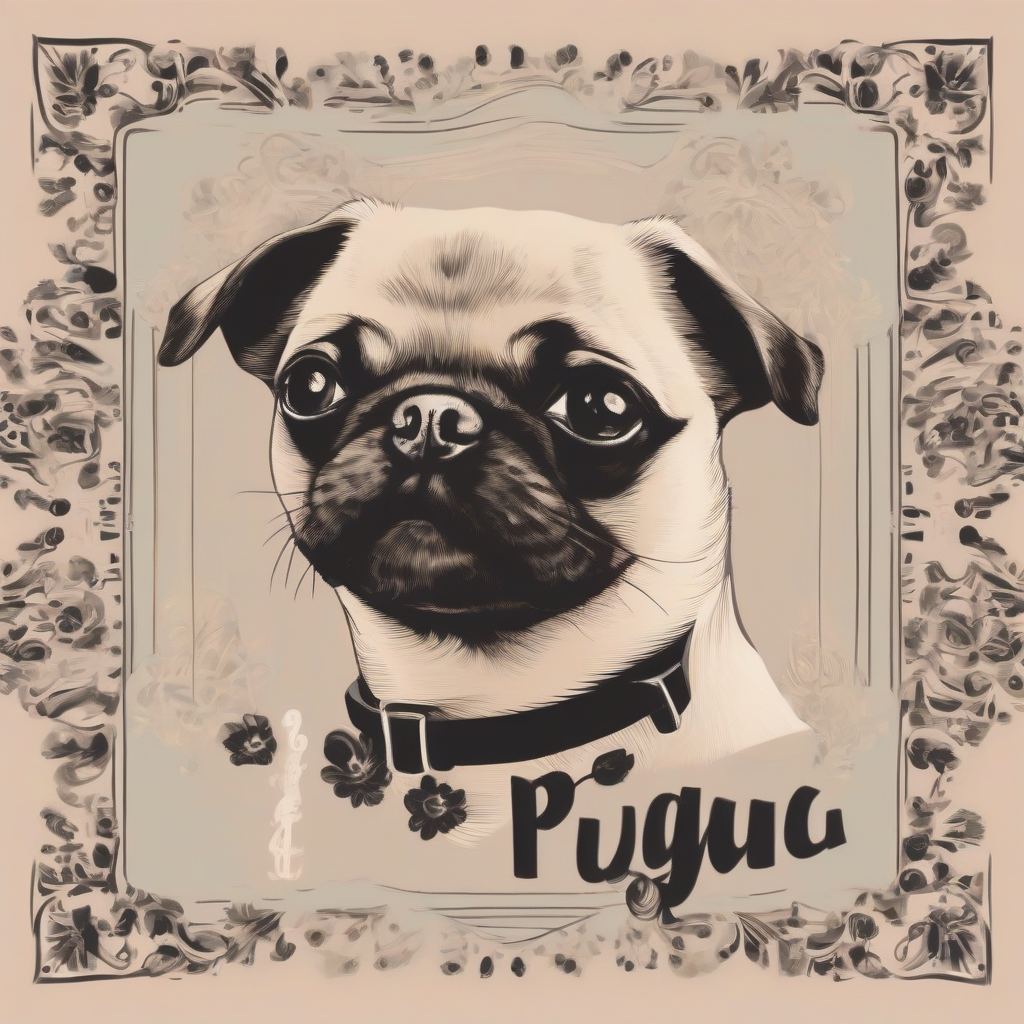
Introduction to the Black Chug
Welcome to the wonderful world of the black Pug Chihuahua mix, affectionately known by enthusiasts as the black Chug. Combining the spunky, loyal nature of the Chihuahua with the comical, loving personality of the Pug, this designer dog has captured the hearts of dog lovers everywhere. When this mix inherits a solid black coat, the result is a striking, sleek little companion that turns heads at the dog park. Whether you are considering bringing one into your home or simply want to learn more about this unique crossbreed, this comprehensive guide will cover everything from their unique appearance to their specific care requirements.
What is a Black Pug Chihuahua Mix?
A black Chug is a designer hybrid dog created by crossing a purebred Chihuahua with a purebred Pug. While Chugs can come in a variety of colors, including fawn, cream, and brown, the solid black variation is particularly sought after for its glossy, elegant appearance. Because they are a mixed breed, their physical traits can vary significantly depending on which parent they take after more. If you are exploring the broader world of these delightful hybrids, you can learn more by checking out our comprehensive Chihuahua Mix category.
Typically, a black Chug will have a compact, muscular body, a slightly pushed-in snout (though usually longer than a purebred Pug's), and expressive, soulful eyes. Their ears might stand up straight like a Chihuahua's or flop over like a Pug's. If you love seeing the variety of traits these dogs can inherit, you might enjoy browsing through Chihuahua mixed breeds with pictures to see the incredible diversity within these designer dogs.
Appearance and Grooming of a Black Chug
The coat of a black Pug Chihuahua mix is usually short, smooth, and incredibly shiny when kept healthy. Despite having short hair, both Pugs and Chihuahuas are known to shed, meaning your black Chug will likely be a moderate shedder. Regular grooming is essential to keep their dark coat looking its best and to minimize the amount of black fur on your furniture.
Brushing your Chug once or twice a week with a soft bristle brush or a rubber grooming mitt will help remove loose hairs and distribute natural skin oils. For more detailed advice on maintaining this type of coat, we highly recommend reading The Ultimate Short Hair Chihuahua Care Guide. Bathing should be done only when necessary to avoid drying out their sensitive skin.
Temperament: The Personality of a Black Chug
The personality of a black Chug is often a delightful, albeit sometimes stubborn, blend of its parent breeds. They are incredibly affectionate, often forming a strong, unbreakable bond with their primary caregiver. This loyalty is a classic Chihuahua trait, and if you want to understand the roots of this behavior, there are many fascinating Chihuahua facts every owner should know.
From the Pug side, the Chug inherits a goofy, playful, and highly sociable demeanor. They generally get along well with children and other pets, provided they are socialized early. However, they can also be quite vocal, acting as excellent little watchdogs who will alert you to any strangers approaching the home. Training requires patience and positive reinforcement, as they can be willful but are highly motivated by tasty treats.
6 Essential Care Tips for Your Black Chug
Caring for a black Pug Chihuahua mix requires understanding the unique needs of both parent breeds. Here are six practical, detailed tips to ensure your Chug lives a happy, healthy life:
- 1. Clean Facial Wrinkles Daily: If your black Chug inherits the adorable facial folds of their Pug parent, you must clean them regularly. Moisture and dirt can easily get trapped in these dark crevices, leading to skin infections. Use a damp, soft cloth or a dog-safe wipe to gently clean the folds, and always dry them thoroughly afterward.
- 2. Protect Their Black Coat in the Sun: Solid black dogs absorb heat much faster than lighter-colored dogs. During the hot summer months, limit their outdoor time during peak sun hours to prevent overheating. Always ensure they have access to plenty of fresh water and shaded areas.
- 3. Use a Harness Instead of a Collar: Both Chihuahuas and Pugs are prone to a condition called tracheal collapse. Walking your Chug on a standard neck collar can put dangerous pressure on their delicate windpipe. Always use a well-fitting body harness for walks to distribute pressure safely across their chest.
- 4. Prioritize Dental Care: Small breeds have notoriously bad teeth because their tiny mouths often lead to overcrowding. Brush your black Chug's teeth several times a week using dog-specific toothpaste, and provide dental chews to help reduce plaque buildup.
- 5. Monitor Caloric Intake Strictly: Pugs are famous for their love of food and their tendency to gain weight rapidly. A black Chug carrying extra weight will face severe stress on their joints and respiratory system. Measure their food carefully and limit high-calorie treats.
- 6. Provide Moderate, Consistent Exercise: While they have bursts of energy, Chugs are not marathon runners. A couple of 15 to 20-minute walks a day, combined with some indoor playtime, is usually sufficient. Avoid strenuous exercise, especially in hot or humid weather, due to their potentially compromised airways.
Health and Lifespan
The black Pug Chihuahua mix is generally a robust little dog, but they can inherit genetic predispositions from either parent breed. One of the primary concerns is Brachycephalic Airway Syndrome, especially if your Chug has a very flat face. This can cause breathing difficulties, snoring, and a low tolerance for heat. Other common issues include patellar luxation (slipping kneecaps) and eye problems like dry eye or corneal ulcers. To educate yourself on what to watch out for, check out our guide to common Chihuahua health issues.
With proper diet, exercise, and regular veterinary check-ups, a black Chug can live a long, fulfilling life. Their average lifespan ranges from 10 to 15 years. Tracking their development through different life stages is crucial for their well-being, which you can learn more about in the ultimate Chihuahua age chart guide. For more information on the standard health testing recommended for the parent breeds, you can visit the American Kennel Club (AKC) website.
Conclusion
The black Pug Chihuahua mix is a charming, affectionate, and entertaining companion that fits perfectly into a variety of households. Their sleek black coats make them uniquely beautiful, while their big personalities ensure there is never a dull moment. By understanding their specific grooming needs, protecting them from the heat, and staying proactive about their health, you can enjoy many wonderful years with your loyal black Chug. They truly offer the best of both the Chihuahua and the Pug worlds in one adorable, compact package.
Frequently Asked Questions
Are black Chugs aggressive?
No, black Chugs are not inherently aggressive. While they can inherit the Chihuahua's tendency to be protective and vocal, early socialization and consistent, positive training will help them grow into friendly, well-adjusted dogs that get along with strangers and other pets.
How big does a black Pug Chihuahua mix get?
A fully grown black Chug typically weighs between 10 and 20 pounds and stands about 10 to 14 inches tall at the shoulder. Their exact size will depend heavily on whether they inherit more of the tiny Chihuahua frame or the sturdier, heavier Pug build.
Do black Chugs bark a lot?
They can be prone to barking. Chihuahuas are known for being alert and vocal watchdogs, and the Chug often inherits this trait. However, with proper training and mental stimulation, you can teach your Chug the "quiet" command and manage excessive barking effectively.
Is a black Chug a good apartment dog?
Yes, the black Chug makes an excellent apartment dog. Their small size and moderate exercise requirements mean they do not need a large backyard to be happy. As long as they receive daily walks and plenty of indoor affection, they will thrive in smaller living spaces.