Complete Guide to Female Chihuahua Puppies
Published
Discover everything you need to know about female Chihuahua puppies, including temperament, health care, training tips, and unique personality traits.
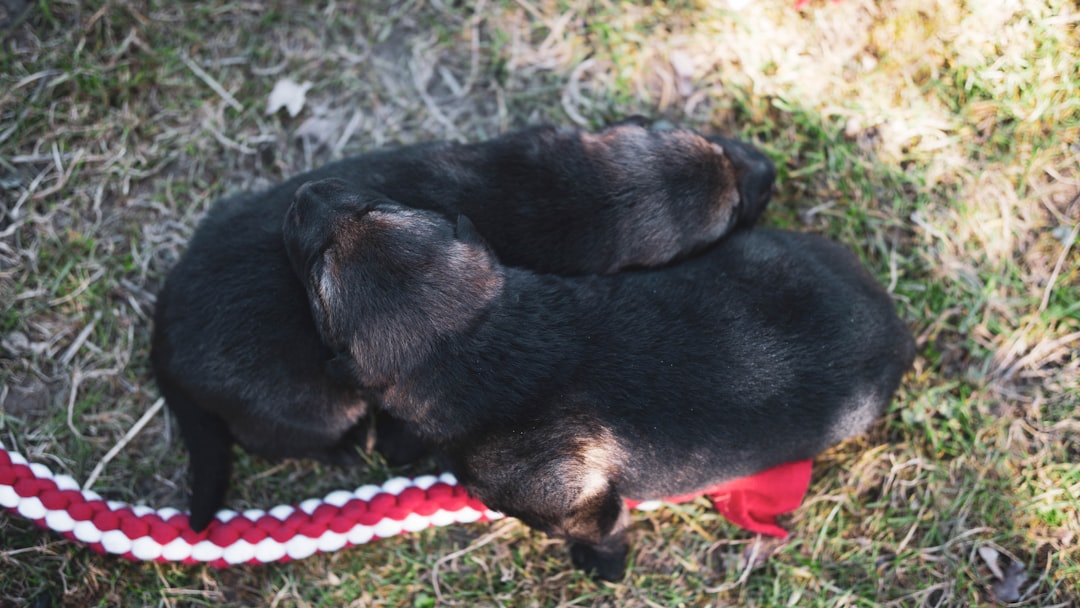
Welcoming a Female Chihuahua Puppy
Bringing a new dog into your home is always a thrilling experience, but there is something uniquely special about female Chihuahua puppies. These tiny companions pack a massive amount of personality, loyalty, and intelligence into a very small frame. Whether you are a first-time dog owner or a seasoned enthusiast of the breed, understanding the specific traits, developmental milestones, and care requirements of a female Chihuahua is essential for raising a happy and well-adjusted adult dog.
Understanding the Female Chihuahua Personality
While every dog is an individual, female Chihuahuas often share certain temperament traits that distinguish them slightly from their male counterparts. Many owners and breeders note that females tend to be a bit more independent and observant. While a male Chihuahua might demand constant physical contact and attention, a female is often perfectly content to sit nearby, keeping a watchful eye on her surroundings and enjoying affection on her own terms.
Female Chihuahuas are fiercely loyal to their chosen humans. They often bond intensely with one primary caregiver, though they can learn to love the whole family with proper socialization. Because of their alert nature, they make excellent little watchdogs. However, this protective instinct means that early training is vital to ensure they do not become overly territorial or vocal.
Physical Development and Growth Milestones
Watching your female Chihuahua puppy grow is a fascinating journey. Because they are a toy breed, their growth happens rapidly compared to larger dogs. Most female Chihuahuas will reach their full adult height and weight by the time they are nine to twelve months old. Tracking their development is important to ensure they are on the right nutritional path. For a detailed breakdown of what to expect as your puppy grows, you can consult our comprehensive Chihuahua Puppies Size Guide and Growth Chart.
During their physical development, you will also notice their distinct facial features becoming more pronounced. Depending on their genetics, your female puppy will develop either a rounded apple head or a more elongated deer head. Understanding these physical traits can help you better anticipate certain health and dental needs. Learn more by reading our Guide to the Different Chihuahua Head Types.
7 Essential Care Tips for Female Chihuahua Puppies
Raising a tiny puppy requires attention to detail. Here are seven practical tips to help your female Chihuahua thrive:
- Prepare for the First Heat Cycle: If you do not plan to spay your puppy immediately, be aware that female Chihuahuas typically experience their first estrus (heat) cycle between six and nine months of age. You will need to invest in appropriately sized doggy diapers and be extremely vigilant about keeping her away from intact males during this time.
- Prioritize Early Socialization: Because females can sometimes be naturally cautious or reserved, introducing them to new people, gentle dogs, and various environments between the ages of 8 and 16 weeks is crucial. This builds confidence and prevents fear-based reactivity.
- Establish a Strict Potty Routine: Tiny dogs have tiny bladders. Female puppies, in particular, may need to go out immediately after waking, eating, and playing. Consistency is the key to successful housebreaking.
- Consult Your Vet About Spaying: Discuss the best timeline for spaying your female puppy with your veterinarian. Spaying can prevent uterine infections and drastically reduce the risk of mammary tumors. The American Veterinary Medical Association provides excellent general guidelines on the health benefits of pet sterilization.
- Prevent Hypoglycemia with Frequent Meals: Small breed puppies are prone to dangerous drops in blood sugar. Feed your female Chihuahua puppy three to four small, high-quality meals a day. If you have a particularly small pup, you might find our Teacup Chihuahua Puppies Complete Care Guide incredibly helpful.
- Start Dental Care Early: Chihuahuas are notoriously prone to dental disease due to their small mouths. Introduce your female puppy to dog-safe toothpaste and a finger brush as early as possible so she tolerates cleanings as an adult.
- Use Harnesses Instead of Collars: To protect her delicate trachea, always walk your female Chihuahua puppy using a well-fitting body harness rather than a neck collar, which can cause severe respiratory injuries if she pulls.
For even more foundational advice on raising your new companion, be sure to explore our complete Chihuahua Mix Puppies Guide.
Training Your Female Chihuahua
Training a female Chihuahua requires a balance of gentleness and firm consistency. They are highly intelligent and eager to please, but they can also have a stubborn streak. Positive reinforcement techniques, utilizing high-value treats and enthusiastic praise, work best. Harsh corrections will only cause your puppy to become fearful and withdrawn.
Because females can be protective of their owners, it is important to teach them boundaries early on. If your puppy begins to show signs of resource guarding or snapping when strangers approach, address it immediately with positive redirection. For step-by-step behavioral strategies, read our article on how to Train a Chihuahua Not to Be Aggressive.
Exploring the World of Chihuahua Mixes
While purebred female Chihuahuas are wonderful, many families also fall in love with mixed breeds. A female Chihuahua mixed with a Poodle, Pug, or Terrier often inherits the best traits of both parent breeds. The independent, loyal nature of the female Chihuahua blends beautifully with the playful or sturdy characteristics of other small dogs. If you are curious about the wide variety of designer dogs available, take some time to browse our extensive directory of Chihuahua Mixed Breeds.
Frequently Asked Questions
Are female Chihuahua puppies easier to train than males?
Neither gender is definitively easier to train, but they may respond differently. Females are often slightly more focused and mature a bit faster than males, which can make early obedience training seem smoother. However, consistency and positive reinforcement are the most important factors for both genders.