Chihuahua Training for Beginners: The Tiny Wolf
Published
Master Chihuahua training by abandoning the purse-dog stereotype. Learn how to socialize, condition, and lead your tiny wolf with confidence.
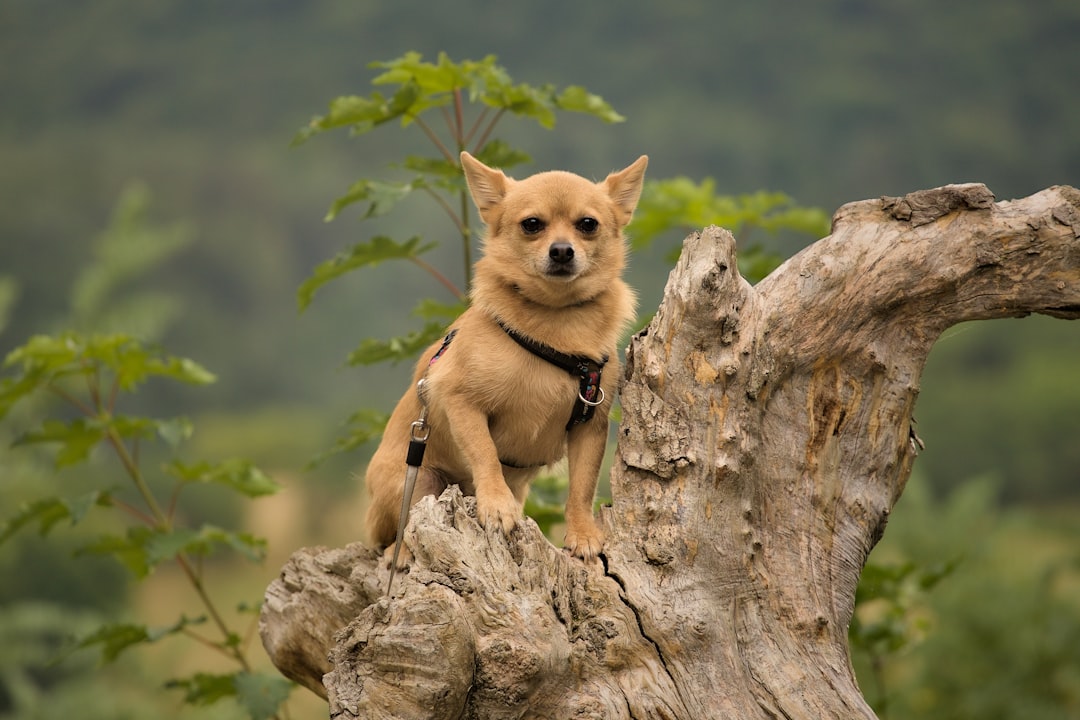
It is a common assumption that managing a Chihuahua requires little more than a tiny harness, a fleece-lined carrier, and a pocket full of treats. Pop culture has long sold us the image of the feline-sized plushie that occasionally barks at the mail carrier but otherwise exists simply to accessorize an outfit. According to this pervasive myth, formal training is something reserved for German Shepherds and Malinois, while toy breeds simply need to be loved, carried, and coddled.
This exact misconception is why so many novice owners end up held hostage in their own living rooms by a four-pound tyrant. The reality of raising these dogs rests heavily on the "tiny wolf paradox": they are genetically hardwired with the exact same canine instincts, territorial drives, and pack-oriented needs as their larger cousins, merely compressed into a pint-sized package. When you train the accessory instead of the animal, you court behavioral disaster. Treating them with the respect a true canine deserves is the first step toward a harmonious home.
The Purse-Dog Illusion vs. The Ancestral Canine Reality
This fundamental misunderstanding of breed psychology frequently drives owners to seek foundational knowledge in our Complete Chihuahua Types Chart and Breed Guide before adjusting their training mindset.
The cultural divide in small-dog ownership usually splits into two distinct camps: those who view the dog as an infant, and those who view the dog as a canine.
"A Chihuahua's primary job is to provide lap-warming companionship and look adorable doing it."
This sentiment dominated early 2000s pop culture, heavily popularized by films like Legally Blonde (2001), which cemented the breed's status as a fashionable accessory rather than a working animal.
"A dog is a dog, no matter the size. Respecting their nature is the highest form of love."
This counter-perspective, championed by modern behavioral specialists and echoed in foundational texts like Cesar Millan's Cesar's Way (2006), strips away the human tendency to anthropomorphize.
The illusion tells beginners that when a Chihuahua barks frantically at a larger dog, the safest response is to scoop them up and soothe them. The ancestral canine reality dictates that picking up a reactive dog only elevates their physical status, validates their panic, and severely reinforces their anxiety. Training a beginner requires dismantling the instinct to rescue and replacing it with the instinct to lead.
Infant Coddling vs. Structured Pack Socialization
A contrasting view on behavioral development is often explored when looking at broader breed categories, such as the resources found in our Chihuahua Mix directory.
Socialization is where the tiny wolf paradox becomes most evident. Novice owners often project human vulnerability onto their small dogs, resulting in a severe lack of worldly exposure.
"He is shaking because he is terrified of the big world, so I must shield him from it."
This is the standard, well-intentioned but detrimental reaction of a first-time owner observing the breed's natural high-strung physiology.
"Fear in small breeds is often inadvertently rewarded by owners who soothe rather than lead."
This principle forms the backbone of balanced training guidelines endorsed by organizations like the American Kennel Club, which stress that confidence must be built, not bypassed.
If you coddle a nervous Chihuahua, you inadvertently cultivate a fear-biter. If you socialize them with structure, you develop a resilient companion. To bridge this gap, beginners must implement specific, practical rules:
- The "Four on the Floor" Rule: When guests arrive or when encountering novel stimuli, the dog must remain on the ground. This forces them to process the environment using their own coping mechanisms rather than relying on the physical shield of your arms.
- Neutral Exposure Sessions: Sit on a park bench with your dog on a short leash. Allow them to simply watch bicycles, children, and other dogs pass by without forcing interaction. Reward quiet observation.
Reactive Resource Guarding vs. Earned Privilege Conditioning
The dynamic between protective instincts and learned boundaries takes on a fascinating dimension in specific crossbreeds, as detailed in the Chihuahua Pitbull Mix Personality Traits Explained.