Best Chihuahua Breeds and Structural Variations
Published
Variations in skull shape and coat genetics define the modern Chihuahua landscape far beyond basic kennel club classifications.
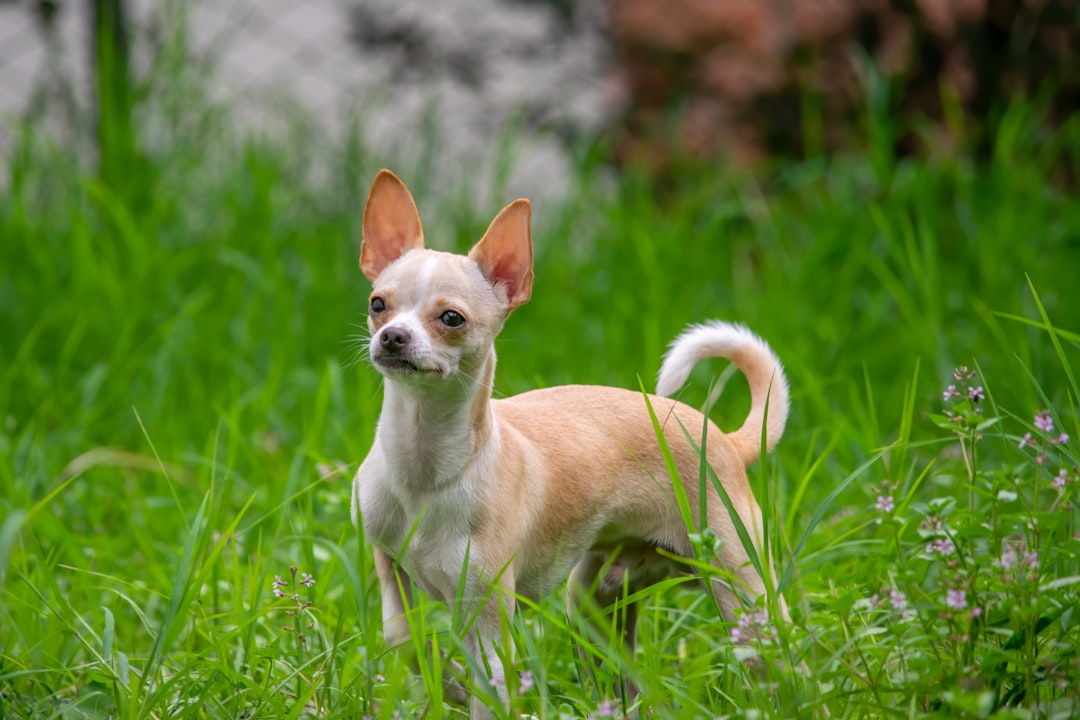
The Toltec Legacy and Modern Variations
"The Chihuahua is not a manufactured toy, but a survivor of ancient Mesoamerican civilizations," notes zoologist Desmond Morris in his 2001 encyclopedia Dogs. This tiny canine lineage traces its roots back to the Toltec people of ninth-century Mexico, where the mute Techichi dog served both ceremonial and practical roles in daily life. Modern breeding has fractured this ancient foundation into distinct visual categories. Some variations adhere strictly to kennel club standards, while others represent popular aesthetic divergences that thrive primarily in companion homes. Size remains their defining historical marker.
A deeper look at coat genetics lives in characteristics of the long-coated variations.
The American Kennel Club officially recognized the Chihuahua in 1904, establishing a standard that technically only divides the breed into two legitimate varieties based entirely on coat length. Smooth-coated specimens feature a glossy, close-fitting pelt that requires minimal grooming intervention. Long-coated individuals present a dramatically different silhouette, sporting fringed ears, a plumed tail, and a pronounced ruff around the neck that takes up to three years to fully develop. Genetics dictate that the smooth coat acts as a dominant trait, meaning two long-haired parents cannot produce a short-haired puppy. Breeders must carefully manage these bloodlines to maintain the distinct textures.
For a broader perspective on crossbreeding, consider exploring various chihuahua hybrid dogs.
Structural Distinctions in the Show Ring
Beyond the official registry classifications, structural morphology divides the modern population into two fiercely debated camps. The "apple head" represents the only conformation accepted in the show ring, characterized by a rounded skull, a pronounced 90-degree stop between the muzzle and forehead, and often a molera, or soft spot on the top of the cranium. Conversely, the "deer head" variant features a longer snout, a sloping forehead, and a generally larger, more robust skeletal frame. While purists dismiss the deer head as a structural fault, veterinary researchers frequently note that the elongated muzzle significantly reduces the risk of brachycephalic airway obstruction syndrome and dental crowding. Cranial structure dictates respiratory function.
Visual references can be found by visualizing the different breed variations.
The Rise of Hybrid Vigor
The pursuit of hybrid vigor has shifted focus from purebred preservation toward purposeful outcrossing. Breeders combine the Chihuahua's compact frame and alert nature with other small companions to mitigate genetic bottlenecks and create highly adaptable urban pets. Terriers introduce a rugged tenacity, while brachycephalic breeds add a heavier bone structure and a more placid demeanor. These first-generation crosses often bypass the fragile skeletal issues inherent in the smallest purebred lines, offering a sturdier companion for active households. The resulting dogs exhibit a fascinating spectrum of physical and behavioral traits.
A detailed breakdown of one popular pairing sits in traits of the pug crossbreed.
Working terrier bloodlines fundamentally alter the toy dog temperament. When crossed with a Jack Russell, the resulting hybrid possesses an intense prey drive and a requirement for rigorous daily exercise that far exceeds the needs of a standard lap dog. This specific combination demands structured obedience training to channel their boundless energy and prevent the development of reactive behaviors in high-stimulation environments. Owners must prioritize mental engagement over mere physical exertion. Agility courses provide an excellent outlet for their sharp minds.
Practical advice on sourcing these energetic hybrids is available in finding a jack russell cross.
Size Variations and Breeding Ethics
Marketing terminology frequently obscures biological reality when discussing size variations within the breed. The label "teacup" does not denote a recognized sub-breed, but rather serves as a lucrative sales tactic for runts or dogs bred specifically for severe dwarfism. These micro-canines, often weighing under three pounds at maturity, face a terrifying array of congenital health crises, including devastating hypoglycemia, liver shunts, and bones so fragile that a short fall from a sofa can result in complex fractures. Ethical breeding practices prioritize structural soundness and longevity over the dangerous pursuit of novelty sizing. Veterinary science condemns the teacup trend.
Essential considerations for prospective owners are detailed in navigating the hybrid purchasing process.
Where Conventional Wisdom Slips
One frequent assumption: Long-haired Chihuahuas shed significantly more than their smooth-coated counterparts.
In practice: The smooth-coated variety actually sheds continuously throughout the year, leaving short, stiff hairs embedded in fabrics, whereas the long-haired dogs typically experience two distinct seasonal blowouts while shedding less day-to-day.
One frequent assumption: The deer head Chihuahua represents a distinct, historically separate breed from the apple head.
In practice: Both skull shapes emerge from the exact same genetic pool, and a single litter can contain both apple and deer head puppies depending on the specific recessive genes carried by the parents.
One frequent assumption: Teacup Chihuahuas are a rare, naturally occurring mutation that requires specialized care to thrive.
In practice: The teacup designation is purely a marketing invention used to sell severely undersized, often malnourished or genetically compromised runts at a premium price point.
The categorization of these tiny dogs extends far beyond the simple binary of show-ring standards. Understanding the structural, genetic, and behavioral nuances allows owners to prioritize canine health over aesthetic trends.