Old Chihuahua Health Problems and Care Tips
Published
Learn about common old Chihuahua health problems and discover practical care tips to keep your senior dog happy and comfortable in their golden years.
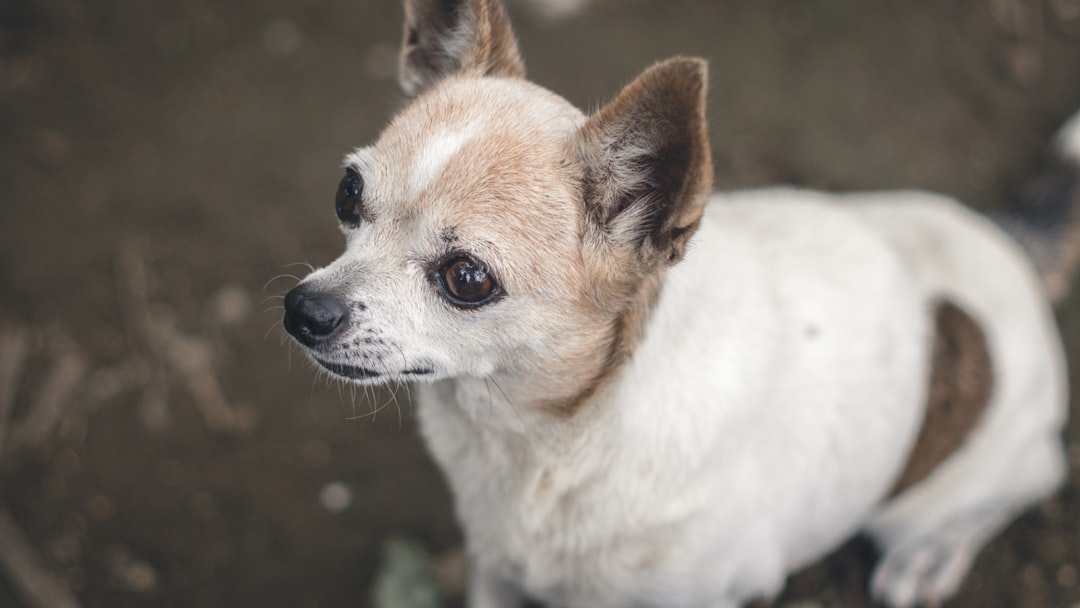
Caring for Your Aging Chihuahua
Chihuahuas are beloved for their big personalities and incredibly long lifespans. It is not uncommon for these tiny companions to live well into their late teens. However, as your furry friend enters their golden years, their bodies change, and they become more susceptible to specific age-related conditions. Understanding old Chihuahua health problems is the first step in providing the compassionate, proactive care your senior dog deserves.
Whether you have a purebred or one of the many wonderful Chihuahua mixed breeds, early detection of health issues can drastically improve their quality of life. By knowing what to look out for, you can work closely with your veterinarian to manage symptoms and keep your senior pup comfortable.
Common Old Chihuahua Health Problems
As Chihuahuas age, their immune systems weaken, and their organs may not function as efficiently as they once did. If you are wondering what do Chihuahuas usually die from or simply want to be prepared for their senior years, here are the most common health issues to monitor.
Advanced Dental Disease
Small breeds are notorious for dental issues due to their tiny, crowded mouths. In senior Chihuahuas, untreated plaque and tartar can lead to severe periodontal disease. This does not just cause bad breath and tooth loss; the bacteria from infected gums can enter the bloodstream and damage the heart, liver, and kidneys. Regular dental checkups are absolutely vital for older dogs.
Heart Conditions (Mitral Valve Disease)
Heart murmurs and Mitral Valve Disease (MVD) are prevalent in aging Chihuahuas. MVD occurs when the heart's mitral valve begins to leak, causing the heart to work harder to pump blood. Symptoms include a persistent cough (especially at night or after exercise), lethargy, and fainting spells. Fortunately, with early diagnosis, veterinarians can prescribe medications to manage the condition and extend your dog's life.
Joint and Mobility Issues
While often associated with larger breeds, arthritis and joint deterioration heavily impact senior Chihuahuas. Many Chihuahuas also suffer from luxating patellas (slipping kneecaps) earlier in life, which can lead to severe osteoarthritis in their senior years. You might notice your dog hesitating to jump onto the couch, walking with a stiff gait, or sleeping more than usual.
Vision and Hearing Loss
It is very common for older Chihuahuas to develop cataracts, which appear as a cloudy, bluish-grey film over the eyes, eventually leading to blindness. Similarly, age-related hearing loss can sneak up on your pet. If your Chihuahua stops responding to their name or seems easily startled, their senses may be declining.
Kidney and Liver Decline
Chronic kidney disease is a frequent concern in geriatric dogs. Symptoms include increased thirst, frequent urination, weight loss, and a decreased appetite. Routine blood work at the vet is the best way to catch kidney and liver enzyme changes before they become life-threatening.
7 Practical Tips for Caring for a Senior Chihuahua
Managing old Chihuahua health problems requires a few adjustments to your daily routine. Here are seven practical, actionable tips to help your senior dog thrive.
- Switch to a Senior Diet: Older dogs have slower metabolisms and may have trouble chewing hard kibble. Transition to a high-quality senior dog food that is softer, lower in calories, and fortified with joint supplements like glucosamine.
- Implement a Gentle Dental Routine: If professional cleanings under anesthesia are too risky due to age, focus on daily brushing with enzymatic dog toothpaste and providing water additives that reduce plaque buildup.
- Provide Orthopedic Support: Invest in an orthopedic memory foam dog bed to soothe aching joints. Additionally, place pet ramps or stairs near your bed and sofa so your Chihuahua does not have to jump, which protects their fragile knees and spine.
- Schedule Bi-Annual Vet Visits: Senior dogs should see the vet every six months rather than once a year. Comprehensive blood panels and urinalysis can catch silent killers like kidney disease early. For general guidelines on pet health, the American Veterinary Medical Association offers excellent resources.
- Keep Them Warm: Chihuahuas already struggle to regulate their body temperature, and this worsens with age. Keep cozy blankets accessible, and do not hesitate to put a sweater on your senior dog, even indoors during cooler months.
- Adapt Your Communication: If your dog is losing their hearing or vision, start using hand signals alongside verbal commands. Keep your furniture in the same layout so a visually impaired dog can navigate the house by memory.
- Monitor Hydration Closely: Because kidney issues are common, ensure your Chihuahua is drinking enough water. You can add low-sodium chicken broth to their water bowl or switch to wet food to increase their moisture intake.
Lifespan and Mixed Breed Considerations
While purebred Chihuahuas have specific health profiles, mixed breeds inherit traits from both parents, which can influence how they age. For example, if you are referencing a Chihuahua Pomeranian mix lifespan guide, you will note that they share similar risks for dental and tracheal issues. Conversely, reading a Pitbull Chihuahua mix lifespan guide might highlight different aging concerns, such as heavier joint wear and tear due to a bulkier frame.
No matter the mix, transitioning from puppyhood to the senior years requires evolving care. The energetic routines you established using a complete Chihuahua Terrier mix puppy guide will need to be softened into gentle, low-impact activities as your dog ages. For more specific advice on maintaining the health of terrier crosses, exploring a dedicated Chihuahua Terrier mix care guide can provide tailored insights for their golden years.
Frequently Asked Questions
How do I know if my senior Chihuahua is in pain?
Dogs are excellent at hiding pain. Look for subtle signs such as excessive panting, trembling, reluctance to move, loss of appetite, aggressive behavior when touched, or licking a specific joint repeatedly.
At what age is a Chihuahua considered a senior?
Because Chihuahuas have long lifespans (often 14-18 years), they are generally considered senior dogs when they reach 9 to 10 years of age. This is when you should start implementing senior care routines.
Can old Chihuahuas get dementia?
Yes, senior dogs can develop Canine Cognitive Dysfunction (CCD), which is similar to Alzheimer's in humans. Symptoms include staring at walls, getting stuck in corners, changes in sleep cycles, and forgetting house training.
Is it normal for my old Chihuahua to sleep all day?
It is entirely normal for senior Chihuahuas to sleep up to 18 hours a day. However, if the increased sleep is accompanied by lethargy when awake, loss of appetite, or breathing difficulties, you should consult your veterinarian.
Conclusion
Watching your Chihuahua grow old is a privilege, though it comes with its own set of challenges. By staying informed about old Chihuahua health problems like dental decay, heart murmurs, and joint stiffness, you can take proactive steps to mitigate their effects. With regular veterinary care, a modified diet, and a home environment tailored to their aging bodies, your senior Chihuahua can continue to enjoy a happy, comfortable, and loving life by your side.