Spotting Chihuahua Health Issues Symptoms Early
Learn to recognize common Chihuahua health issues symptoms early to keep your tiny companion happy, healthy, and thriving for years to come.
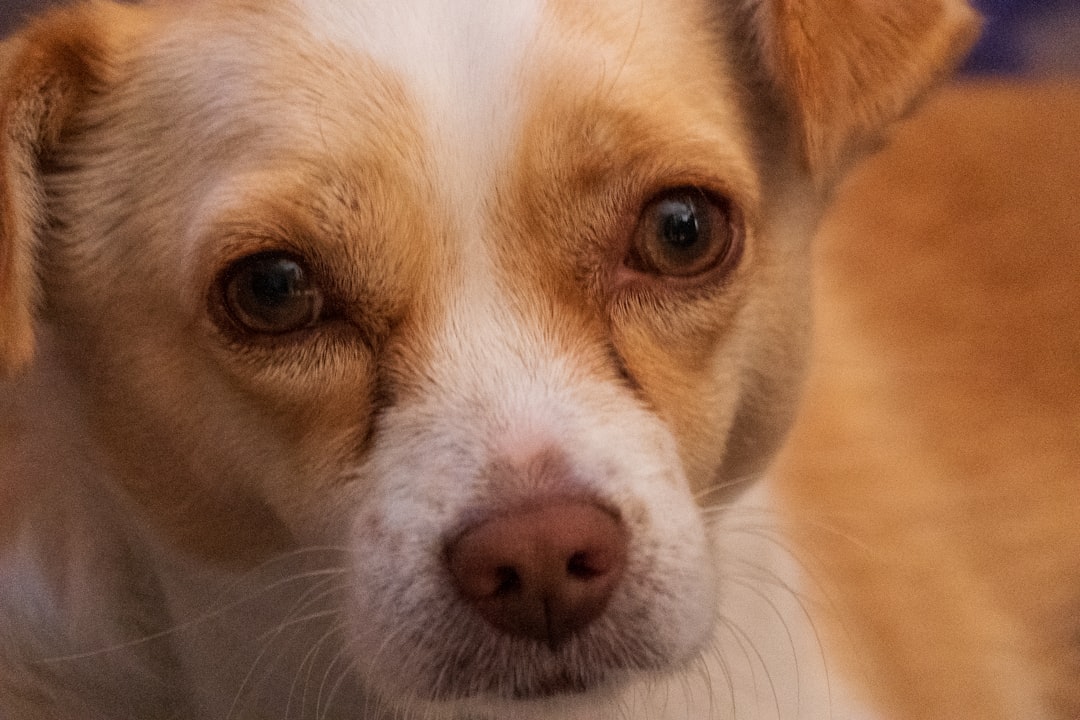
Understanding Your Chihuahua's Health
Chihuahuas are spirited, loyal, and full of personality, making them one of the most beloved toy breeds in the world. However, their tiny stature comes with a unique set of physical vulnerabilities. As a responsible pet parent, recognizing Chihuahua health issues symptoms early is the most effective way to ensure your furry friend lives a long, comfortable life. Because these dogs are so small, even minor ailments can escalate quickly. By staying vigilant and knowing exactly what to watch for, you can partner with your veterinarian to catch potential problems before they become severe.
Common Chihuahua Health Issues Symptoms
Dental Disease
Due to their small mouths, Chihuahuas often suffer from overcrowded teeth, which creates the perfect environment for plaque and tartar buildup. Dental disease is incredibly common in this breed. Symptoms to watch for include exceptionally bad breath, red or bleeding gums, reluctance to eat dry kibble, and pawing at the mouth. If you notice your dog dropping food while chewing, it is time for a dental checkup.
Patellar Luxation (Slipping Kneecaps)
Patellar luxation occurs when the dog's kneecap slips out of its normal groove. This is a prevalent genetic issue in toy breeds. The most obvious symptom is a sudden skip in their step or running on three legs for a few paces before returning to a normal gait. You might also notice them stretching their hind leg backward to pop the kneecap back into place. While mild cases can be managed, severe cases may require surgery.
Tracheal Collapse
The cartilage rings that support a Chihuahua's windpipe are delicate and prone to weakening over time, leading to tracheal collapse. The hallmark symptom of this condition is a harsh, dry, honking cough that sounds similar to a goose. This coughing often worsens during exercise, excitement, or when pulling on a collar. In fact, when training your Chihuahua not to bark, you must ensure their throat isn't being irritated by excessive strain or tight collars.
Hypoglycemia (Low Blood Sugar)
Hypoglycemia is especially dangerous for Chihuahua puppies and teacup varieties because they lack the fat reserves to store adequate energy. Symptoms of a dangerous drop in blood sugar include extreme lethargy, shivering or trembling, pale gums, uncoordinated walking, and in severe cases, seizures. This requires immediate intervention, often by rubbing a small amount of Karo syrup on their gums and rushing them to the vet.
Heart Conditions (Mitral Valve Disease)
Older Chihuahuas are susceptible to heart issues, particularly mitral valve disease, where the heart valve begins to leak. Early symptoms can be subtle, such as tiring out faster than usual during walks. As the condition progresses, you may notice a persistent cough (especially at night or after resting), rapid breathing, and a swollen abdomen. Regular checkups are vital, as vets can often detect a heart murmur long before outward symptoms appear.
7 Practical Tips for Monitoring Your Chihuahua's Health
Proactive care is the best medicine. Here are seven detailed, practical tips to help you monitor your Chihuahua's well-being:
- Use a Harness Instead of a Collar: To prevent or manage tracheal collapse, always walk your Chihuahua using a well-fitting body harness. This distributes pressure across their chest rather than their fragile neck.
- Implement a Strict Dental Routine: Brush your Chihuahua's teeth at least three times a week using dog-safe toothpaste. Supplement this with dental chews and annual professional cleanings recommended by the American Veterinary Medical Association.
- Monitor Their Weight Closely: Obesity exacerbates joint issues like patellar luxation and puts extra strain on the heart. Weigh your Chihuahua monthly and adjust their food intake if you notice them losing their waistline.
- Feed Multiple Small Meals: To prevent hypoglycemia, especially in younger or smaller dogs, divide their daily food allowance into three or four small meals spaced evenly throughout the day rather than one large meal.
- Watch Their Gait During Walks: Pay close attention to how your dog walks and runs. If you notice occasional skipping, hopping, or stiffness after resting, film the behavior on your phone to show your veterinarian.
- Check Their Ears Weekly: Chihuahuas can be prone to ear infections. Check their ears weekly for redness, bad odor, or dark discharge, and clean them gently with a vet-approved solution.
- Schedule Bi-Annual Senior Exams: Once your Chihuahua turns seven, switch from annual to bi-annual veterinary checkups. Bloodwork and heart exams every six months can catch age-related diseases much earlier.
Health Considerations for Chihuahua Mixes
If you are exploring various Chihuahua mixed breeds, it is important to remember that crossbreeds can inherit health traits from both parent breeds. For instance, if you are reading our Complete Guide to the Chihuahua Terrier Mix, you will learn that Terrier genetics can introduce different allergy profiles or skin conditions.
Similarly, managing a full grown Chihuahua Dachshund mix requires special attention to spinal health due to the Dachshund's elongated back, making them prone to Intervertebral Disc Disease (IVDD). Always research both sides of your dog's lineage. For more specific guidance, you can browse our Chihuahua Terrier mix care guides or dive into a specific care guide for a brown Chihuahua Terrier mix to understand their unique health requirements.
Frequently Asked Questions
How can I tell if my Chihuahua is in pain?
Chihuahuas often hide their pain. Look for subtle signs like hiding under furniture, trembling (when not cold), excessive panting, loss of appetite, reluctance to jump onto the couch, or snapping when touched in a specific area.
Why does my Chihuahua shiver so much?
Shivering is a very common Chihuahua trait. It can be caused by cold temperatures, excitement, or anxiety. However, if the shivering is accompanied by lethargy or pale gums, it could be a symptom of hypoglycemia or pain, requiring immediate veterinary attention.
Are Chihuahua health issues preventable?
While genetic conditions like patellar luxation cannot be entirely prevented, their severity can be managed through weight control and proper exercise. Other issues, like dental disease and obesity-related problems, are highly preventable with a good diet, regular grooming, and routine veterinary care as recommended by organizations like the American Kennel Club.
How long do Chihuahuas usually live?
With excellent care, a healthy diet, and prompt attention to medical issues, Chihuahuas are among the longest-living dog breeds. They typically live anywhere from 14 to 16 years, and it is not uncommon for them to reach 18 years of age or older.
Conclusion
Being aware of Chihuahua health issues symptoms is the greatest gift you can give your tiny companion. While they may be predisposed to certain conditions like dental decay, slipping kneecaps, and tracheal collapse, your vigilant care can make all the difference. By utilizing harnesses, maintaining strict dental hygiene, and keeping a close eye on their daily habits, you can ensure your Chihuahua enjoys a vibrant, happy, and healthy life by your side for many years to come.