Ultimate Guide to Complete Chihuahua Care
Published
Discover essential Chihuahua care tips, from nutrition and grooming to health issues, ensuring your tiny companion lives a long, happy, and healthy life.
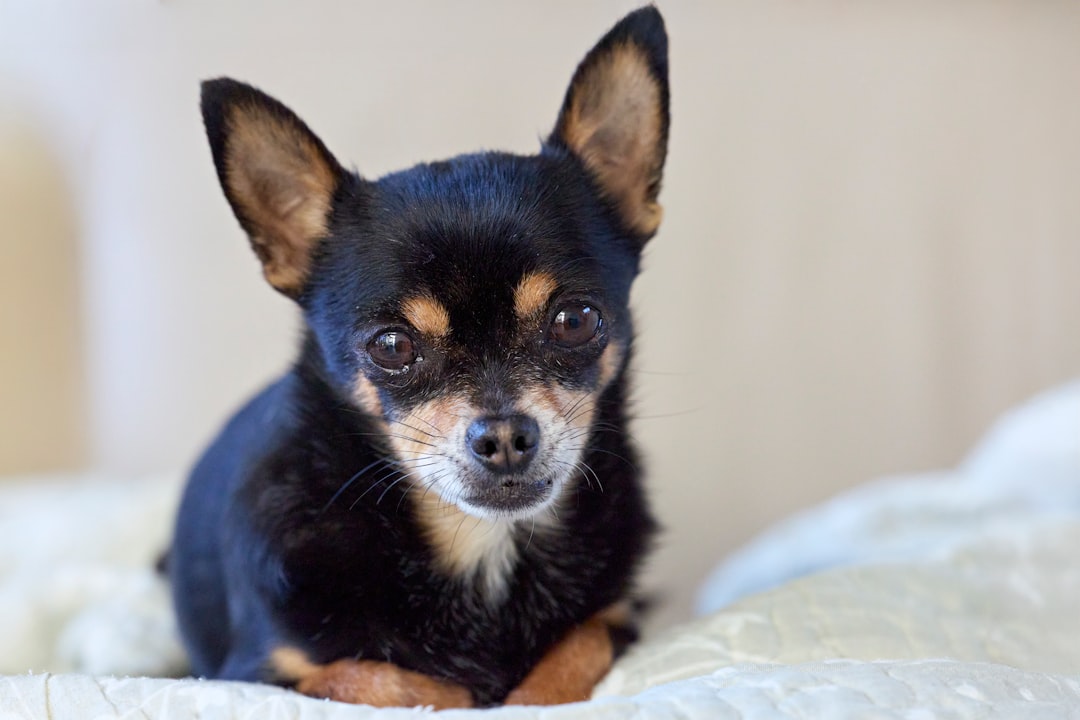
Welcome to Your Chihuahua Care Journey
Bringing a Chihuahua into your home is the beginning of a beautiful, entertaining, and deeply rewarding relationship. Known for their larger-than-life personalities packed into the smallest of frames, Chihuahuas are loyal companions that thrive on love and attention. However, their diminutive size means they require specific, tailored care to keep them healthy and safe. Whether you have a purebred or a delightful Chihuahua mix, understanding their unique needs is the first step to being a fantastic pet parent.
From preventing dangerous blood sugar drops in puppies to managing dental health in adults, Chihuahua care is a specialized field. In this comprehensive guide, we will walk you through everything you need to know to provide the best possible life for your tiny best friend, covering nutrition, exercise, grooming, and preventative health measures.
Nutritional Needs for Tiny Tummies
Feeding a Chihuahua is not as simple as pouring a scoop of kibble into a bowl. Because of their fast metabolisms and tiny stomachs, they process food much differently than larger breeds.
- Preventing Hypoglycemia: Chihuahua puppies and small adults are highly susceptible to hypoglycemia (low blood sugar). To prevent this, feed your dog three to four small meals a day rather than one large one. Keep a small tube of Nutri-Cal or a bit of honey on hand in case they show signs of lethargy or wobbliness.
- Choosing the Right Kibble: Always opt for a high-quality, small-bite kibble. Large kibble pieces can be a choking hazard and are difficult for their small jaws to chew. Look for formulas specifically designed for toy breeds, which are calorie-dense to support their high energy levels.
- Monitor Treat Intake: It is incredibly easy to overfeed a Chihuahua. Just one small piece of cheese is a massive caloric intake for a five-pound dog. Stick to healthy, low-calorie treats like tiny pieces of carrots or blueberries, and ensure treats make up no more than ten percent of their daily diet.
Exercise and Mental Stimulation
Despite their size, Chihuahuas are energetic dogs that require regular exercise to stay fit and stave off behavioral issues. However, their exercise routines must be carefully managed to avoid exhaustion or injury.
- Safe Daily Walks: Two short walks of 15 to 20 minutes each day are usually sufficient. Always use a well-fitted harness rather than a collar. Chihuahuas are prone to collapsed tracheas, and pulling on a neck collar can cause severe respiratory damage.
- Indoor Enrichment: Chihuahuas are highly intelligent and can easily become bored, leading to excessive barking or destructive chewing. Provide them with puzzle toys, snuffle mats, and interactive games to keep their minds sharp, especially on rainy days when outdoor walks are not possible.
Grooming and Dental Care
Grooming is about much more than keeping your dog looking cute; it is a vital part of their overall health routine. This is especially true for their dental care, which is notoriously problematic in toy breeds.
Chihuahuas have tiny mouths, which often leads to overcrowded teeth. This overcrowding creates the perfect environment for plaque and tartar buildup, leading to periodontal disease. You should aim to brush your Chihuahua's teeth daily using a dog-safe toothpaste. According to the American Veterinary Medical Association, establishing a dental care routine early can add years to your pet's life by preventing bacteria from entering their bloodstream and affecting their heart and kidneys.
When it comes to coat care, your routine will depend on whether you have a smooth-coat or long-coat Chihuahua. Smooth coats need a gentle brushing once a week with a rubber curry brush to remove loose hair. Long-coated varieties require brushing two to three times a week with a pin brush and metal comb to prevent painful mats and tangles behind the ears and under the legs. Additionally, keep their nails trimmed short; you should not hear them clicking on the floor when they walk.
Common Health Concerns and Preventative Care
Being proactive about your dog's health is the best way to ensure a long, happy life. Chihuahuas are generally a long-lived breed, often reaching 15 years or more, but they are predisposed to certain genetic conditions.
Patellar luxation (slipping kneecaps) is incredibly common. You might notice your dog occasionally skipping or hopping on three legs. Keeping your dog at a healthy weight is the best way to reduce stress on their delicate joints. Heart murmurs and mitral valve disease are also prevalent in the breed, making annual veterinary check-ups with thorough heart auscultations absolutely essential.
As your dog ages, their needs will change. Senior Chihuahuas may develop vision issues, arthritis, or cognitive decline. For a deep dive into caring for an aging companion, review our guide on old Chihuahua health problems and care tips. Understanding these risks early on can help you recognize symptoms before they become severe. If you want to know more about the most serious risks to the breed, you can read about what do Chihuahuas usually die from to stay vigilant.
Special Considerations for Chihuahua Mixes
If you own a mixed breed, your dog will inherit traits, temperaments, and health predispositions from both parent breeds. This makes their care slightly more complex but equally rewarding. For example, a mix involving a Poodle might require professional grooming every six weeks to manage a curly coat. You can learn more about this specific cross in our ultimate Chihuahua Poodle mix puppy care guide.
Similarly, mixing a Chihuahua with a Terrier often results in a dog with a higher prey drive and more intense exercise requirements. If you have one of these spunky companions, be sure to check out our comprehensive Chihuahua Terrier mix care guide to ensure you are meeting their physical and mental needs.
Budgeting for Your Chihuahua's Care
While they eat less food than a Great Dane, Chihuahuas are not necessarily cheap to own. Preventative care, dental cleanings, and high-quality nutrition add up over a 15-year lifespan. It is highly recommended to invest in pet insurance while your dog is young to help cover the costs of unexpected illnesses or accidents, such as a broken leg from jumping off high furniture. For a realistic breakdown of what to expect financially, read our complete Chihuahua price and cost guide.
Conclusion
Caring for a Chihuahua is a big responsibility wrapped in a very small package. By paying close attention to their diet, protecting their fragile bodies during exercise, maintaining a rigorous dental routine, and keeping up with veterinary visits, you are setting the stage for a wonderful life together. These tiny dogs have an infinite capacity for love, and with the right care, they will be your devoted shadow for many years to come.
Frequently Asked Questions
How often should I bathe my Chihuahua?
Unless your dog gets into something dirty, bathing them once a month is usually sufficient. Over-bathing can strip their skin of natural oils, leading to dry, itchy, and flaky skin. Always use a gentle, dog-specific oatmeal shampoo.
Are Chihuahuas good with children?
Chihuahuas can be good with older, respectful children who understand how to handle small dogs gently. However, they are generally not recommended for households with toddlers, as the dog can be easily injured by rough play, which may cause the Chihuahua to snap in self-defense.
Why does my Chihuahua shiver so much?
Chihuahuas shiver for several reasons. Because of their small body mass and short coats, they get cold very easily, making sweaters a necessity in chilly weather. They also shiver when they are excited, anxious, or stressed. If the shivering is accompanied by lethargy, it could be a sign of hypoglycemia or pain, requiring immediate veterinary attention.