Train Your Chihuahua Not to Be Aggressive
Published
Learn effective, positive training techniques to stop Chihuahua aggression and help your tiny dog feel safe, calm, and confident in any situation.
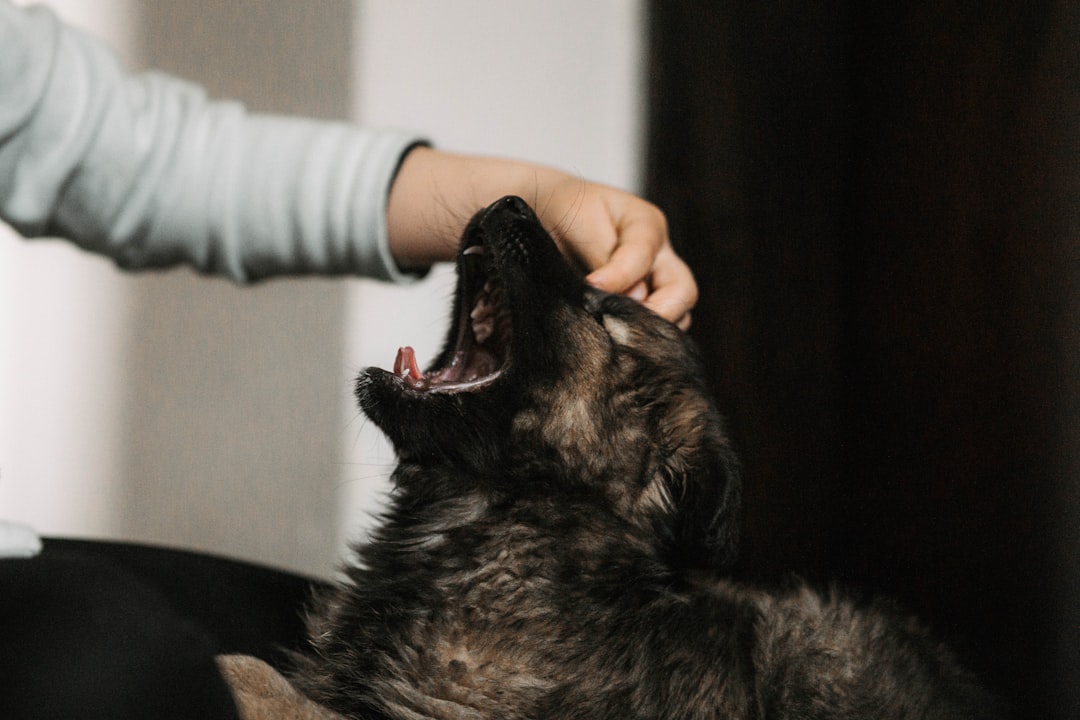
Understanding Why Your Chihuahua is Aggressive
Chihuahuas may be tiny, but they are famous for having massive, sometimes fiery personalities. If you are struggling with a dog that snaps, growls, or lunges, you are not alone. Learning how to train a Chihuahua not to be aggressive starts with understanding the root cause of their behavior. In most cases, a Chihuahua's aggression is not born out of malice; it is born out of fear.
Because of their small stature, the world can seem incredibly intimidating to a Chihuahua. When they feel cornered, overwhelmed, or threatened, their natural "fight or flight" response kicks in. If they cannot flee, they will fight. This fear-based reactivity is often mistakenly labeled as "small dog syndrome." Addressing this requires patience, consistency, and a foundation of comprehensive Chihuahua care to ensure they feel secure in their environment.
7 Practical Steps to Stop Chihuahua Aggression
Training an aggressive Chihuahua takes time, but by using positive reinforcement and building their confidence, you can transform your spicy little companion into a calm, loving pet. Here are seven detailed, actionable tips to help you manage and correct aggressive behavior.
1. Identify and Manage Their Triggers
The first step in modifying any aggressive behavior is knowing what causes it. Does your Chihuahua growl when strangers approach? Do they snap when you try to take away a toy? Keep a journal of your dog's aggressive episodes. Once you know their triggers, you can manage their environment to prevent these situations from occurring while you work on training. For example, if your dog is territorial at the front window, close the blinds to remove the visual trigger.
2. Socialize Early and Consistently
Proper socialization is the antidote to fear. If your Chihuahua is poorly socialized, they will view unfamiliar people, dogs, and environments as threats. Start by exposing your dog to new experiences from a safe distance. Reward them with high-value treats for remaining calm. Gradually decrease the distance as their confidence grows. According to animal behavior experts at the ASPCA, slow, positive exposure is the most effective way to desensitize a fearful dog.
3. Use Positive Reinforcement Only
Never punish your Chihuahua for growling. Growling is your dog's way of communicating that they are uncomfortable. If you punish the growl, you remove their warning system, which can lead to a dog that bites without warning. Instead, focus on rewarding the behaviors you want to see. When your dog looks at a trigger and remains calm, immediately praise them and offer a treat. This teaches them that calm behavior results in good things.
4. Build Confidence Through Obedience Training
A confident dog is a calm dog. Teaching your Chihuahua basic commands like "sit," "stay," "leave it," and "focus" gives them a job to do and strengthens the bond between you. When your dog knows what is expected of them, they are less likely to react out of fear. You can start by mastering basic Chihuahua training at home in short, five-minute sessions to keep their attention sharp and positive.
5. Address Resource Guarding
Resource guarding is incredibly common in Chihuahuas. They may aggressively protect their food bowl, a favorite toy, or even their favorite human. To combat this, teach the "trade" game. If your dog has something they are guarding, offer them something even better, like a piece of plain chicken. When they drop the guarded item to take the chicken, praise them warmly. This teaches them that your approach means they are getting an upgrade, not losing their prized possession.
6. Create a Safe Sanctuary
Every Chihuahua needs a quiet, secure place where they can retreat when they feel overwhelmed. This could be a comfortable crate or a gated section of a quiet room. Make this space a positive zone filled with cozy blankets and chew toys. Interestingly, the same principles you use when housebreaking and crate training your Chihuahua apply here: the space should never be used for punishment, only for safety and relaxation.
7. Know When to Seek Professional Help
If your Chihuahua's aggression is escalating, or if they have already bitten someone, it is time to call in an expert. A certified canine behaviorist or a professional dog trainer who specializes in positive reinforcement can provide a tailored training plan. Do not hesitate to look into finding professional Chihuahua training near you to ensure you and your dog get the support you need.
Special Considerations for Chihuahua Mixes
If you own a mixed breed, you must also consider the traits of the other breed in their DNA. For instance, a Chihuahua Terrier mix might possess a high prey drive and stubborn streak inherited from the terrier side, which can manifest as reactivity toward smaller animals or fast-moving objects. Understanding the unique genetic makeup of various Chihuahua mixed breeds will help you tailor your training approach to suit their specific instincts and energy levels.
Frequently Asked Questions
Why is my Chihuahua suddenly aggressive?
Sudden aggression in a normally calm Chihuahua is almost always a sign of an underlying medical issue. Dogs in pain or discomfort will often lash out to protect themselves from being touched. If your dog's behavior changes overnight, schedule a veterinary checkup immediately to rule out dental disease, arthritis, or other hidden ailments.
Can an older Chihuahua be trained not to bite?
Yes, you can absolutely teach an old dog new tricks. While it may take more patience to undo years of ingrained habits, older Chihuahuas respond very well to positive reinforcement and consistency. Focus on managing their environment to prevent bites while slowly counter-conditioning their triggers.
Should I punish my Chihuahua for growling?
No, you should never punish a dog for growling. Growling is a vital form of communication; it is your dog politely asking for space because they feel threatened. If you punish the growl, your dog may skip the warning next time and go straight to biting. Instead, respect their boundaries, remove them from the stressful situation, and work on desensitization later.
Conclusion
Learning how to train a Chihuahua not to be aggressive is a journey that requires empathy, consistency, and a whole lot of treats. Remember that underneath that tough, barking exterior is a tiny dog that is likely feeling very scared and vulnerable. By identifying their triggers, utilizing positive reinforcement, and building their confidence through structured training, you can help your Chihuahua navigate the world feeling safe and secure. With time and dedication, your feisty little friend will learn to trade their growls for tail wags.